Get Moisture Barrier Installation in Atlanta, GA
Moisture barrier installation services help Atlanta property owners prevent water damage, mold, and wood rot in basements, crawl spaces, and concrete slabs by sealing moisture intrusion.
Property owners in Atlanta, GA, considering moisture barrier installation often seek practical solutions to protect their investments from the challenges posed by high humidity and occasional flooding. Proper moisture barriers can help prevent issues such as mold growth, wood rot, and structural damage, making them an important component of long-term property maintenance. Whether planning a renovation, new construction, or addressing existing concerns, exploring local contractors who specialize in moisture barrier services can provide valuable insights into effective options tailored to the area's climate.
As you evaluate your project, it’s helpful to compare the experience and offerings of nearby service providers who understand the unique needs of Atlanta properties. Engaging with local contractors can ensure your moisture barrier installation is handled with attention to detail and local building considerations. Keep reading to discover how these professionals can assist in safeguarding your property and supporting your project goals.
- Basement waterproofing - needed when moisture seeps through foundation walls, risking mold growth and structural damage.
- Crawl space sealing - essential for homes with exposed or unsealed crawl spaces prone to dampness and humidity issues.
- Concrete slab moisture barrier installation - required before flooring installation in areas with high ground moisture levels.
- Foundation repair and moisture control - necessary when cracks or water intrusion indicate underlying moisture problems affecting stability.
- Industrial or commercial building moisture barriers - used in warehouses or factories where moisture control is critical for stored goods and equipment.
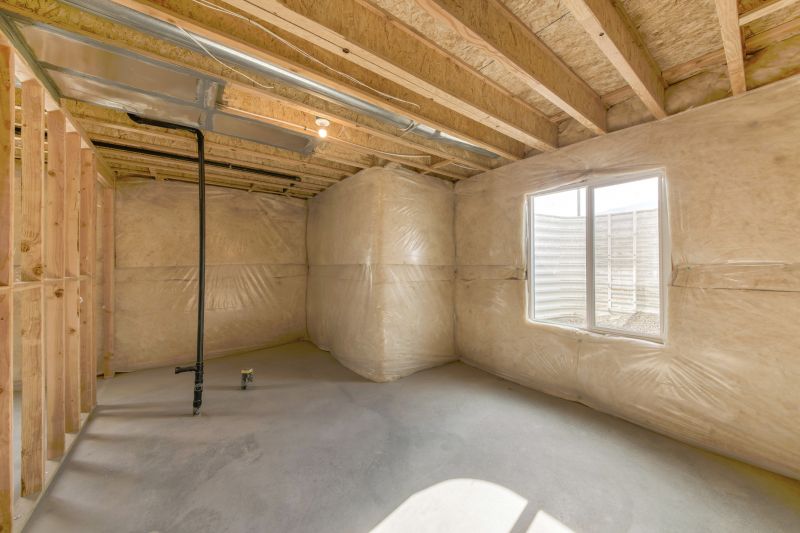
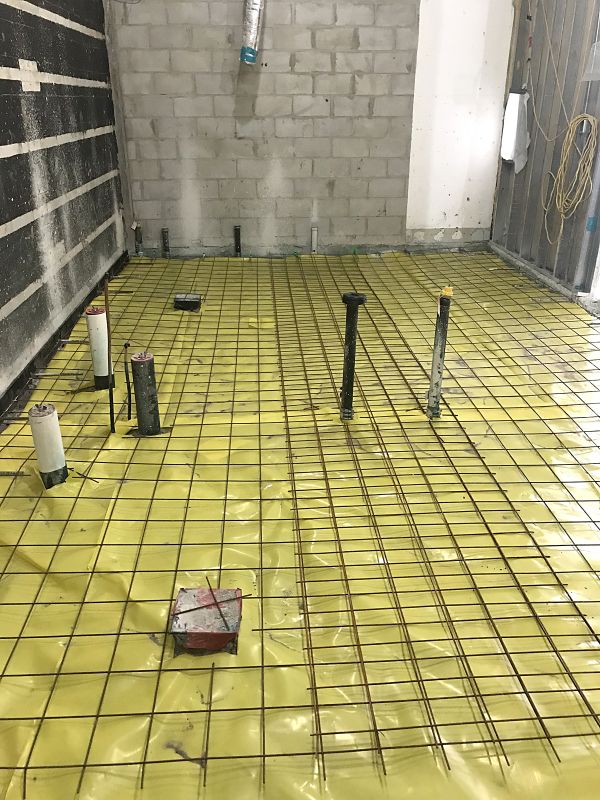
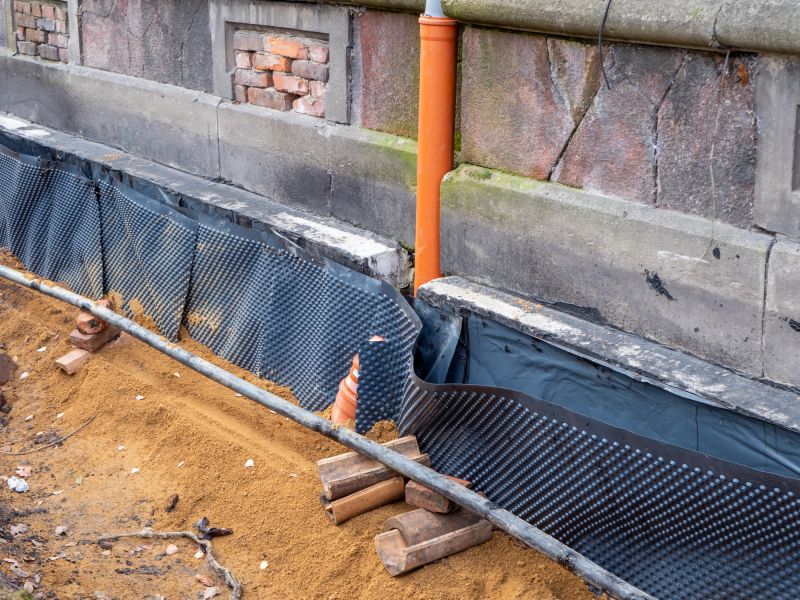
Moisture barrier installation involves applying a protective layer beneath a building's foundation or flooring to prevent moisture from seeping into the interior spaces. This service typically includes the placement of specialized materials such as plastic sheeting or vapor barriers that act as a shield against ground moisture. Proper installation helps to keep basements, crawl spaces, and other below-grade areas dry by blocking the transfer of water vapor from the soil into the home, which can otherwise lead to damage and discomfort.
This service addresses a variety of common problems caused by excess moisture. These include persistent dampness, mold growth, wood rot, and musty odors that can develop in basements and crawl spaces. Moisture barriers are especially useful in regions with high humidity or areas prone to flooding, as they help maintain a healthier indoor environment. Installing a moisture barrier can also protect structural components from deterioration, potentially saving homeowners from costly repairs in the future.
Properties that often benefit from moisture barrier installation include residential homes with basements or crawl spaces, especially those built on soil that retains moisture. New construction projects may incorporate moisture barriers during initial building phases, while existing homes might require retrofitting to address ongoing moisture issues. Commercial buildings, garages, and storage facilities with below-grade areas can also benefit from this service to ensure a dry, stable environment that preserves the integrity of the structure.
Homeowners who notice signs of excess moisture-such as condensation, water stains, or a musty smell-may find moisture barrier installation to be an effective solution. It is also a practical step for those planning renovations or waterproofing upgrades, aiming to improve indoor air quality and prevent damage caused by ground moisture. Connecting with experienced local contractors can provide tailored solutions that meet the specific needs of different properties, helping to create a healthier, more durable living or working space.
The overview below groups typical Moisture Barrier Installation projects into broad ranges so you can see how smaller, mid-sized, and larger jobs often compare in Atlanta, GA.
In many markets, a large share of routine jobs stays in the lower and middle ranges, while only a smaller percentage of projects moves into the highest bands when the work is more complex or site conditions are harder than average.
Smaller Repairs - Typical costs for minor moisture barrier repairs or patching range from $250 to $600. Many routine jobs fall within this middle range, depending on the extent of the work needed. Fewer projects reach the higher end of this spectrum.
Standard Installations - Full moisture barrier installations for standard-sized areas usually cost between $1,200 and $3,000. Local contractors often see most projects in this range, with larger or more complex jobs pushing beyond $3,500.
Full Replacement - Replacing an entire moisture barrier system can range from $4,000 to $8,000 or more. Larger, more intricate projects, especially in commercial settings, tend to fall into this higher tier.
Complex or Custom Projects - Highly customized or extensive moisture barrier work can exceed $10,000, though these cases are less common. Many local service providers can handle typical projects within the lower to mid-range budgets.
Actual totals will depend on details like access to the work area, the scope of the project, and the materials selected, so use these as general starting points rather than exact figures.
Basement Waterproofing - local contractors skilled in moisture control can install barriers to prevent water intrusion and protect foundation structures.
Foundation Repair - professionals experienced in foundation stabilization often utilize moisture barriers to reduce soil moisture and prevent further damage.
Crawl Space Encapsulation - service providers who seal crawl spaces use moisture barriers to improve indoor air quality and prevent mold growth.
Concrete Moisture Mitigation - contractors can apply moisture barriers beneath concrete slabs to prevent moisture vapor transmission in various projects.
Retaining Wall Construction - specialists in retaining walls incorporate moisture barriers to manage water drainage and soil moisture levels.
Exterior Drainage System Installation - local pros installing drainage solutions often include moisture barriers to enhance water management around structures.
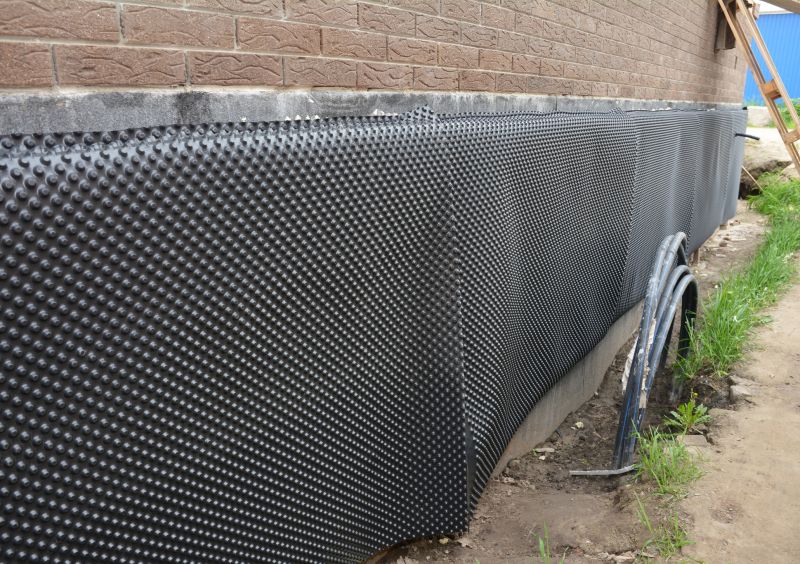
When comparing contractors for moisture barrier installation, it’s important to evaluate their experience with similar projects in the Atlanta area. Homeowners should inquire about the types of properties they have worked on and whether they are familiar with the specific challenges that can arise in local climates and building styles. A contractor with a proven track record of handling moisture barriers in comparable settings can provide greater confidence that they understand the nuances of the work and are capable of delivering quality results.
Clear communication of expectations is essential when selecting a service provider. Homeowners should seek contractors who can explain their process, materials, and scope of work in understandable terms. This helps ensure everyone is aligned on project goals and reduces the likelihood of misunderstandings. A reputable contractor will be transparent about what the job entails and provide detailed information about their approach, so homeowners can make informed decisions.
Reputable references and reliable feedback are valuable tools for assessing potential contractors. Homeowners are encouraged to ask for references from past clients who had similar moisture barrier projects completed. Contactting these references can offer insights into the contractor’s professionalism, workmanship, and ability to meet deadlines. Additionally, good communication throughout the project is a sign of a dependable service provider, making it easier to address questions or concerns as they arise. These factors collectively help homeowners identify local contractors who are well-qualified to handle moisture barrier installation effectively.
Property owners in Atlanta, GA use Moisture Barrier Installation services for practical projects around their homes and businesses. This guide focuses on everyday jobs and straightforward project options.
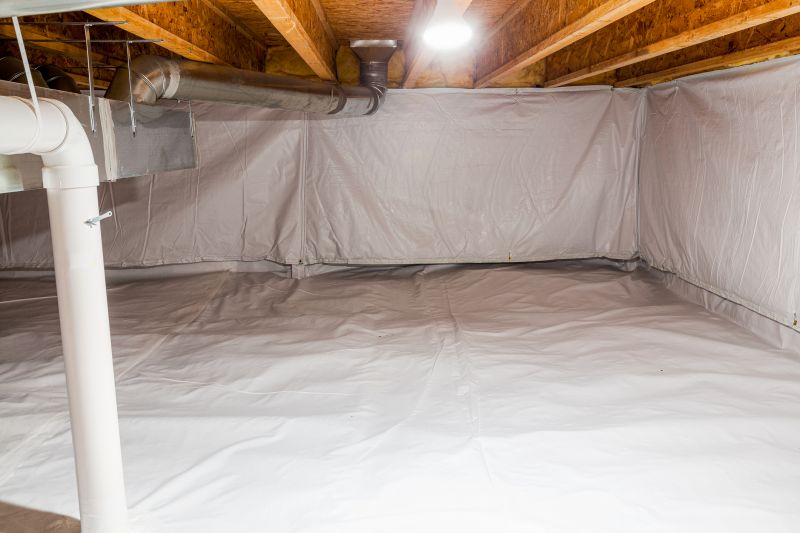
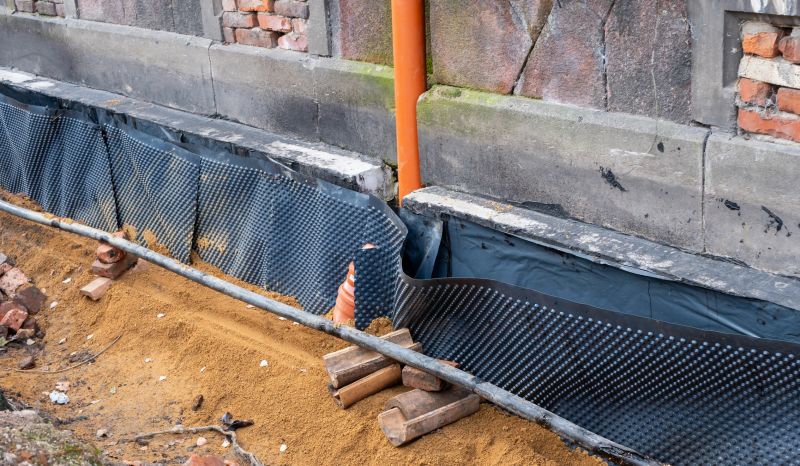
Moisture barrier installation is a common concern for property owners in Atlanta, GA, especially in areas prone to high humidity and occasional flooding. Homeowners and business owners often seek these services to prevent moisture from seeping into basements, crawl spaces, or foundations, which can lead to mold growth, wood rot, and structural issues over time. Local contractors are experienced in assessing the specific needs of each property and installing effective barriers that help maintain a dry, stable environment inside the building.
In addition to protecting the structural integrity of a property, moisture barrier services can also improve indoor air quality and reduce potential health risks associated with damp environments. Property owners might look for local service providers when renovating older buildings or upgrading their current systems to better handle Atlanta’s climate. These professionals can help ensure that moisture-related problems are addressed early, providing peace of mind and long-term durability for homes and commercial spaces alike.
What is a moisture barrier and why is it important? A moisture barrier helps prevent water vapor from passing through floors or walls, reducing the risk of mold, mildew, and structural damage in buildings.
Where can moisture barriers be installed? Moisture barriers are typically installed in basements, crawl spaces, underneath concrete slabs, and in areas prone to excess moisture.
How do local contractors install moisture barriers? Skilled service providers use specialized materials and techniques to properly lay and seal moisture barriers, ensuring effective moisture control.
What types of moisture barriers are available? Common options include plastic sheeting, vapor-retarder paints, and specialized membranes, each suited for different applications and environments.
Can moisture barriers be integrated with other building systems? Yes, local contractors can coordinate moisture barrier installation with insulation, drainage systems, and vapor barriers for comprehensive moisture management.
Moisture Barrier Installation for Basements - Protect a basement from moisture seeping through the concrete to prevent mold growth and structural damage.
Waterproofing for Crawl Spaces - Keep crawl spaces dry and reduce humidity levels to improve indoor air quality and prevent wood rot.
Foundation Moisture Barrier Solutions - Use moisture barriers to prevent water infiltration around the foundation, especially during heavy rains or flooding.
Garage Floor Moisture Prevention - Install barriers to keep garage floors dry, reducing the risk of slipping and damage to stored items.
If you are thinking about Moisture Barrier Installation for a property in Atlanta, GA, this guide is meant to help you understand the work, the typical project types, and how different options might fit your plans.
When you are ready, you can use the quote form on this page to share a few details about your project. From there, local pros can review the basics and respond with options that match what you have in mind.